
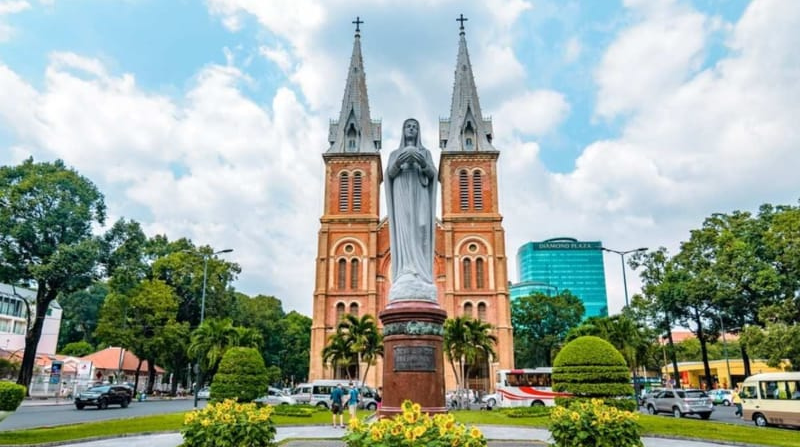
When people think about Ho Chi Minh City, images of bustling streets, endless motorbikes, and vibrant food culture often come to mind. Yet among the modern skyscrapers and energetic urban life stands a historic architectural masterpiece that has witnessed more than a century of transformation — the Notre-Dame Cathedral of Saigon. Known locally as Nhà thờ Đức Bà Sài Gòn, this iconic landmark remains one of the most visited attractions in Vietnam.
For travelers exploring Southern Vietnam, visiting the cathedral is not simply about taking photographs. It is an opportunity to understand the city’s colonial history, admire unique European architecture, and experience a peaceful atmosphere amid one of Southeast Asia’s busiest cities.
In this guide, discover everything you need to know about the Notre-Dame Cathedral of Saigon, from its fascinating history to travel tips for your next visit.
Overview of Notre-Dame Cathedral of Saigon
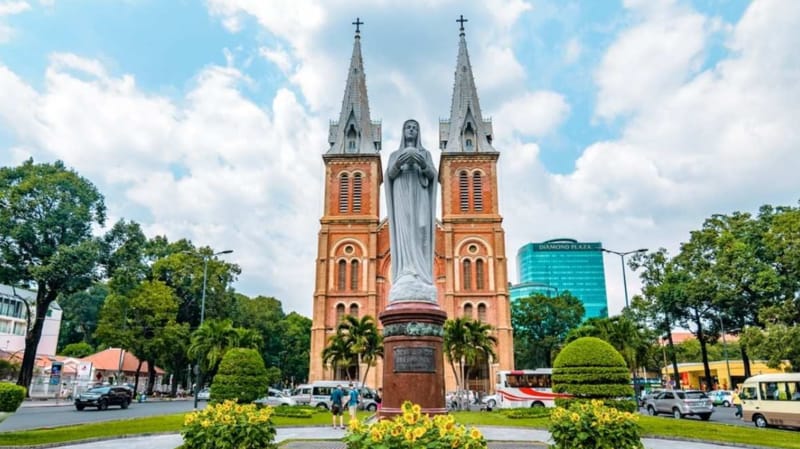
The Notre-Dame Cathedral of Saigon is a historic Catholic church located in the heart of District 1, Ho Chi Minh City. Built during the French colonial era, the cathedral has become one of Vietnam’s most recognizable architectural landmarks.
Construction began in 1863 and was completed in 1880, making the cathedral more than 140 years old. At the time, the French administration intended to create a religious center for colonial settlers while showcasing European architectural influence in Indochina.
Today, despite ongoing restoration projects, the cathedral continues to attract millions of visitors annually.
Quick Facts About Notre-Dame Cathedral of Saigon
Location: District 1, Ho Chi Minh City, Vietnam
Construction period: 1863–1880
Architectural style: Romanesque with Gothic elements
Height of bell towers: Approximately 58 meters
Main building materials: Imported red bricks from France
Significance: Religious site and historical landmark
The History Behind Notre-Dame Cathedral of Saigon
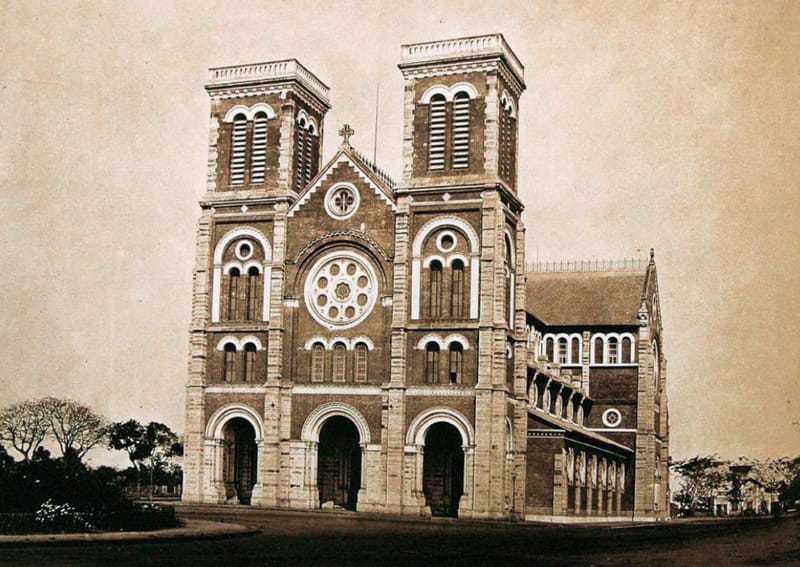
Understanding the cathedral’s history makes a visit much more meaningful.
Following the French occupation of Saigon in the mid-19th century, colonial authorities sought to establish churches for French residents and military personnel. Initially, temporary churches were built, but plans soon emerged for a grand cathedral representing French influence.
French architect Jules Bourard designed the structure inspired by European cathedrals. The project required imported construction materials directly from France, including:
- Bricks from Marseille
- Colored glass windows
- Steel components
- Religious decorations
One remarkable feature is that many original red bricks have retained their natural appearance despite decades of tropical weather exposure.
After completion in 1880, the cathedral became an important spiritual center for Catholics in Southern Vietnam.
Throughout wars, political changes, and rapid urban development, the cathedral has remained a symbol of resilience and continuity.
Architectural Beauty: Why the Cathedral Stands Out
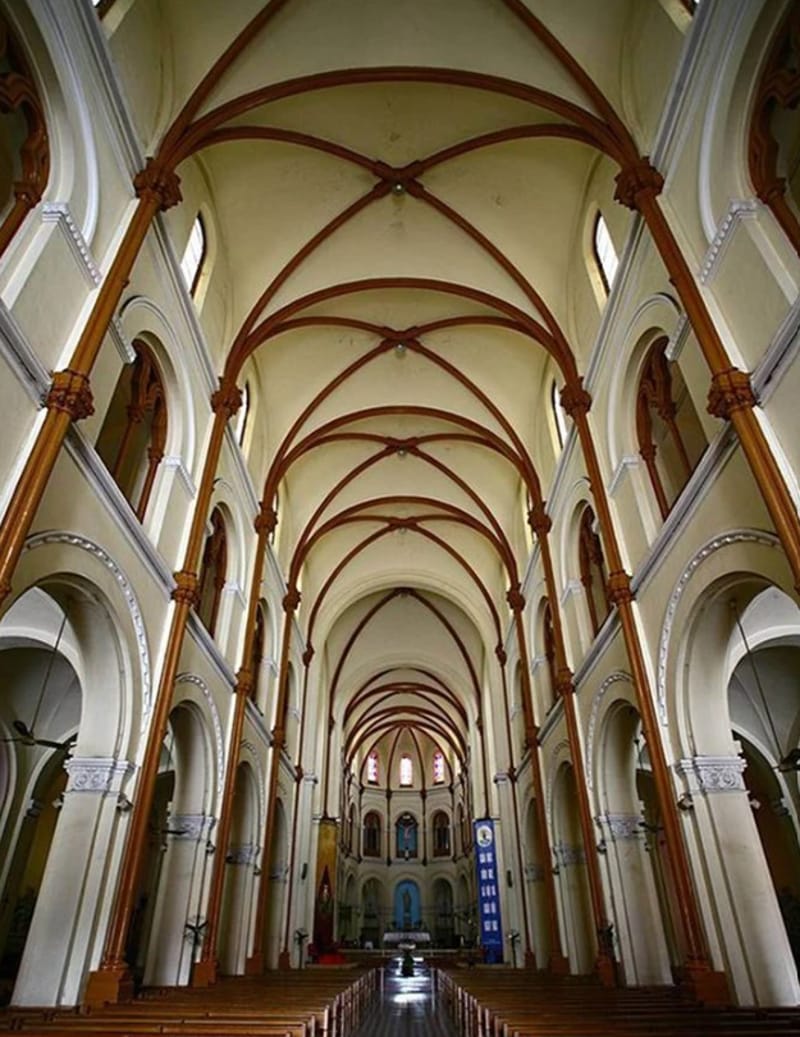
One reason travelers admire the Notre-Dame Cathedral of Saigon is its impressive architecture.
Unlike traditional Vietnamese temples with curved roofs and intricate carvings, the cathedral reflects classic European design principles.
Romanesque Influence
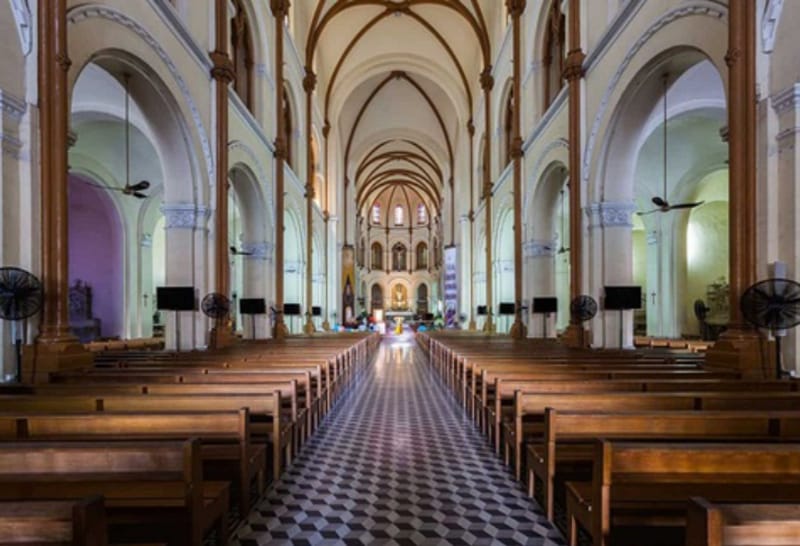
The building displays characteristics commonly associated with Romanesque architecture:
- Thick walls
- Rounded arches
- Symmetrical layouts
- Strong structural appearance
These elements contribute to the cathedral’s timeless and elegant atmosphere.
Gothic Details
The cathedral also incorporates Gothic features, including:
- Tall windows
- Vertical emphasis
- Decorative details
- Impressive interior spaces
The combination creates a distinctive appearance rarely seen elsewhere in Vietnam.
The Iconic Bell Towers
The two bell towers are among the cathedral’s most recognizable features.
Added in 1895, they rise nearly 58 meters high and contain several bronze bells imported from France. Historically, the bells could be heard across large parts of Saigon.
Even today, they remain an important symbol of the city skyline.
Why Notre-Dame Cathedral Is One of Ho Chi Minh City’s Top Attractions
Travelers often ask why this site remains so popular despite being more than a century old.
The answer lies in several factors.
1. Historical Importance
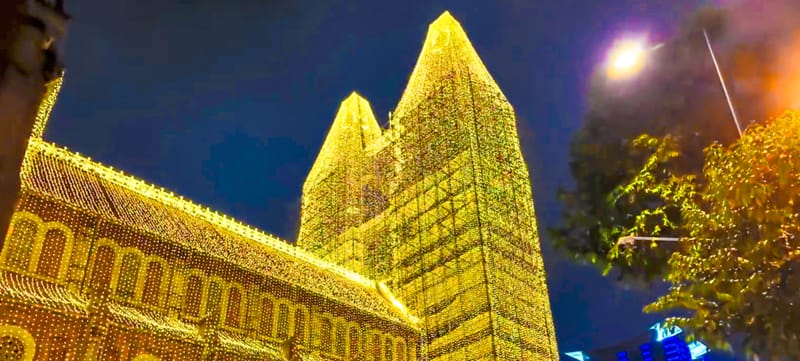
The cathedral reflects an important period in Vietnam’s history and demonstrates the lasting influence of French colonial architecture.
For visitors interested in culture and history, the site provides valuable insight into Saigon’s past.
2. Central Location
The cathedral sits in one of the busiest parts of District 1.
Nearby attractions include:
- Bưu điện Trung tâm Sài Gòn
- Shopping streets
- Cafés
- Museums
- Walking areas
Because everything is close together, tourists can easily explore multiple landmarks within one day.
3. Excellent Photography Spot
The cathedral’s red brick exterior creates a stunning backdrop for photos.
Many visitors arrive early morning or late afternoon when lighting conditions are ideal.
Things to Do at Notre-Dame Cathedral of Saigon
Although the cathedral itself is the main attraction, visitors can enjoy several activities around the area.
Admire the Exterior Architecture
Spend time observing architectural details often overlooked at first glance:
- Brick textures
- Window designs
- Decorative patterns
- Bell towers
Each element reflects historical craftsmanship.
Explore Nearby Attractions
Most travelers combine their cathedral visit with surrounding landmarks.
The neighboring Bưu điện Trung tâm Sài Gòn is particularly popular because of its French colonial design.
Together, these attractions showcase Saigon’s historical heritage.
Enjoy Local Coffee Culture
Ho Chi Minh City is famous for coffee.
Around the cathedral area, visitors can find cafés offering views of the landmark while experiencing Vietnamese coffee culture.
Trying traditional Vietnamese coffee after sightseeing is highly recommended.
Observe Daily City Life
The cathedral area represents a fascinating contrast:
Historic architecture surrounded by modern urban energy.
Tourists, office workers, students, and locals pass through the area throughout the day.
This creates a unique atmosphere worth experiencing.
Best Time to Visit Notre-Dame Cathedral of Saigon
Timing can significantly improve your experience.
Early Morning
Visiting early offers several advantages:
- Cooler temperatures
- Fewer crowds
- Better lighting for photos
- More peaceful surroundings
Late Afternoon
Sunset hours create beautiful lighting conditions around the cathedral.
This is also when the surrounding streets become livelier.
Dry Season in Vietnam
The dry season generally runs from December to April, making it ideal for sightseeing.
Less rainfall means more comfortable walking conditions around District 1.
Is the Cathedral Open During Restoration?
In recent years, restoration efforts have been underway to preserve the structure.
Because the cathedral is over 140 years old, maintenance is necessary to protect:
- Roofing systems
- Interior structures
- Bell towers
- Exterior surfaces
Depending on restoration progress, some areas may be inaccessible.
However, visitors still frequently stop by to admire the building and surrounding atmosphere.
Checking current updates before traveling is recommended.
Travel Tips for First-Time Visitors
If this is your first time visiting Ho Chi Minh City, these tips may help.
Wear comfortable clothing
The city can be hot and humid.
Light clothing makes walking easier.
Respect religious spaces
As an active religious site, respectful behavior is appreciated.
Bring a camera
The cathedral remains one of Vietnam’s most photogenic landmarks.
Combine attractions
Planning nearby destinations saves time and creates a richer experience.
How Notre-Dame Cathedral Represents Modern Ho Chi Minh City
One fascinating aspect of the cathedral is how it symbolizes the coexistence of old and new.
Around the historic building, visitors see:
- Modern skyscrapers
- Luxury hotels
- Busy intersections
- Contemporary cafés
Yet the cathedral continues standing as a reminder of the city’s historical roots.
This contrast reflects the evolution of Ho Chi Minh City itself — a place where tradition and modernization coexist.
Final Thoughts
The Notre-Dame Cathedral of Saigon is much more than a famous landmark. It is a symbol of Ho Chi Minh City’s historical journey and cultural diversity.
For more than 140 years, the cathedral has witnessed the transformation of Saigon into one of Southeast Asia’s most dynamic cities. Despite modernization and restoration efforts, its timeless charm continues attracting visitors from around the world.
If your travel itinerary includes Ho Chi Minh City, adding the Notre-Dame Cathedral to your list is essential. Beyond stunning architecture and historical significance, the experience offers a deeper connection to Vietnam’s rich heritage.